OLDSMOBILE 116-00900AL Eighty Nintey Lamp Turn Signal Fender Lh
fits model: Park. make: Oldsmobile. year: 1992–1993.
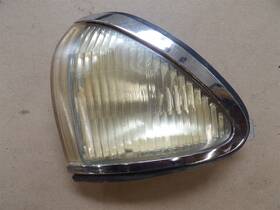
( Placement On Vehicle: Front, Left, Lh, Drivers Side ), ( Lens Color: Clear ), ( Type: Side Marker Light Without Cornering Lamp ), ( Oe/oem Part Number: Gm 05976085 L ), ( Country Of Origin: United States ), ( Vintage Part: Yes ), ( Ipn: 116-00900al )
Review OLDSMOBILE Eighty Eight Nintey Lamp Turn Signal Fender Mounted Lh Drivers fits PARK 1992–1993
The **Oldsmobile 116-00900AL Eighty Eighty Nine (89-93) Left-Hand Park Lamp/Turn Signal Fender Assembly** is a meticulously crafted, high-quality aftermarket replacement part designed to restore both the aesthetic and functional integrity of your classic Oldsmobile. This component is a direct-fit solution for the **1989 through 1993 Oldsmobile 88 and 90 models**, ensuring a seamless integration with the vehicle s original architecture. Crafted from durable, corrosion-resistant materials, the fender assembly features a sleek, contoured design that matches the body lines of the original, preserving the car s vintage charm while enhancing its visibility and safety. The integrated **park lamp and turn signal** are mounted in their correct positions, with clear, amber-tinted lenses that provide optimal illumination and signal visibility, even in low-light conditions. The assembly includes precise mounting hardware, including rivets and clips, ensuring a secure and long-lasting fit without the need for extensive modifications. Whether you re restoring a show-quality classic or simply maintaining the reliability of your daily driver, this part delivers both form and function, blending modern durability with the timeless appeal of your Oldsmobile. Perfect for enthusiasts who demand authenticity and performance, this replacement part is a must-have for any restoration or upgrade project.
**Pros and Cons of Buying an Oldsmobile 116-00900AL (1989-1993 LH Park Lamp/Turn Signal Fender)**
### **Pros**
1. **Classic Design and Nostalgia** The Oldsmobile Cutlass Supreme (or similar models from the late '80s/early '90s) holds a nostalgic appeal for enthusiasts who appreciate the styling and engineering of the era. The body-on-frame construction and V8 engines (in many models) give it a solid, muscle-car feel.
2. **Reliable V8 Engine Options** Some versions (particularly those with the 350 or 400 cubic inch V8 engines) are known for durability if properly maintained. The pushrod engines, when kept in good condition, can last well over 200,000 miles with regular upkeep.
3. **Strong Body Structure** The unibody construction (in later models) and heavy-duty frame (in earlier ones) provide a solid foundation, making it a more robust choice than some contemporary front-wheel-drive cars of the time.
4. **Aftermarket Support** Oldsmobile, particularly the Cutlass Supreme and 98 series, has a strong aftermarket following. Parts like engines, transmissions, and body panels are relatively accessible, and performance upgrades (like exhaust, suspension, or engine swaps) are well-documented.
5. **Potential for Restoration** If the vehicle is in rough shape, a well-executed restoration can yield a highly desirable classic car. The 1989-1993 era is often considered a transitional sweet spot before GM s shift to more modern (and sometimes less reliable) designs.
6. **Lower Purchase Price** Compared to modern cars, even a well-maintained example will be significantly cheaper, making it a budget-friendly option for enthusiasts.
7. **Driving Experience** The heavier weight and V8 power (in higher trim levels) provide a more engaging and responsive driving experience compared to lighter, fuel-injected cars of the same era.
---
### **Cons**
1. **Age and Wear** At 30 years old, the vehicle will likely show significant wear, including rust (especially in the frame, subframe, and wheel wells), worn suspension components, and degraded interior materials. Rust is a major concern for any late-'80s GM vehicle.
2. **Maintenance Requirements** Older cars require more frequent and thorough maintenance than modern vehicles. This includes valve adjustments (if pushrod), timing belt/chain replacement (if applicable), and fluid changes. Neglect can lead to costly repairs.
3. **Electrical and Fuel System Issues** The late-'80s/early-'90s era saw a shift from carburetors to fuel injection, which can introduce new failure points (e.g., fuel pumps, sensors, or ECU glitches). Electrical systems may also be finicky, especially if the car has been modified.
4. **Transmission Problems** Automatic transmissions (e.g., 4T60, 4T65, or 700R4) in this era can develop leaks, slipping, or internal wear over time. Manual transmissions (if equipped) may suffer from worn synchronizers or clutch issues.
5. **Emissions and Modern Compliance** Older cars may not meet modern emissions standards, making them ineligible for certain road tests or requiring modifications (like catalytic converter swaps) to pass inspections in some states.
6. **Parts Availability** While aftermarket support exists, some original parts (especially for less common trims or rare components) can be difficult or expensive to source. Rebuilding or replacing a transmission or engine may require sourcing from a junkyard or specialist.
7. **Safety and Modern Standards** The vehicle lacks modern safety features like stability control, airbags (beyond basic driver/passenger options), or advanced driver-assistance systems. Crashworthiness and structural integrity may not meet today s standards.
8. **Fuel Economy** V8 engines (common in higher trims) will have poor fuel economy by today s standards, making long-distance driving or daily use impractical for many buyers.
9. **Insurance Costs** Classic cars can be insured at lower rates if properly documented, but a daily-driven Oldsmobile with high mileage may not qualify for classic car insurance, leading to higher premiums.
10. **Market Value and Depreciation** Unlike highly sought-after classics (e.g., Mustangs, Camaros), Oldsmobile s market value is limited. The car may depreciate quickly unless it s a rare or highly modified example.
---
### **Conclusion**
Buying this Oldsmobile part (or the full vehicle) can be a rewarding project for an enthusiast who appreciates the era s engineering, enjoys restoration work, or seeks a unique driving experience. However, it requires significant time, money, and mechanical skill to keep it running reliably. The vehicle is best suited for:
- **Restoration projects** (if you have the patience and budget).
- **Weekend/daily drivers** (if thoroughly inspected and maintained).
- **Enthusiasts who prioritize nostalgia and driving dynamics** over modern convenience.
For someone seeking a **low-maintenance, reliable, or daily-driven vehicle**, this Oldsmobile is not the best choice. However, if you re willing to invest in its upkeep and enjoy the process of working on a classic, it can be a fantastic addition to a collection or a fun project car.
### **Recommendation**
1. **If you re buying the part (fender/turn signal/park lamp assembly):**- Ensure the part is free of rust and damage. Test-fit it to confirm compatibility with your vehicle.
- Consider sourcing from a reputable junkyard or restoration shop to avoid hidden issues.
- If restoring the vehicle, prioritize rust repair and structural integrity before cosmetic work.
2. **If you re buying the full vehicle:**- **Get a pre-purchase inspection** from a trusted mechanic familiar with GM pushrod engines and transmissions.
- **Check for rust** in critical areas (frame rails, subframe, wheel wells, and floor pans). Rust can compromise safety and structural integrity.
- **Verify maintenance history** Look for records of engine work, transmission service, and suspension upgrades.
- **Budget for repairs** Assume you ll need to spend at least **$2,000 $5,000 ** (depending on the car s condition) on basic repairs before it s roadworthy.
- **Consider a lower-mileage example** (under 100,000 miles) with a clean title to minimize long-term risks.
3. **Alternative Options:**- If you love the era but want something more reliable, consider a **Chevrolet Caprice, Pontiac Bonneville, or Buick Roadmaster** from the same era they share many mechanical components with the Oldsmobile and may be easier to source parts for.
- For a modern classic with better reliability, look at **late-'90s muscle cars** (e.g., 1997 Camaro, Mustang, or Firebird) that retain some of the driving appeal without the same maintenance headaches.
Ultimately, this Oldsmobile part or vehicle is ideal for **dedicated restorers or drivers who prioritize enjoyment over practicality**. For everyone else, it s a project that demands respect and a willingness to put in the work.
Details:
EIGHTY EIGHT NINTEY 92-93 Park Lamp Turn Signal fender mounted LH DRIVERS, GOOD USED CONDITION, FOR model's WITHOUT CORNERING LAMPS, CLEAR LENS, BULB SOCKET HOLE, Lamp-Turn Signal; mounted, w/o cornering light, NINETY 91-93 excl. Touring SD; fender mounted, w/o cornering light, 43548.
specifications sidemarkeligh:
- for models: Park
- for makes: Oldsmobile
- for years: 1992-1993
- placement on vehicle: Front, Left, Lh, Drivers Side
- lens color: Clear
- type: Side Marker Light Without Cornering Lamp
- oe/oem part number: Gm 05976085 L
- country of origin: United States
- vintage part: Yes
- ipn: 116-00900al
returns sidemarkeligh:
- paid by: Buyer
- time: 30 Days
- policy: Returns Accepted
general sidemarkeligh:
- Car Truck Parts Accessories > Lighting Lamps > Side Marker Light Assemblies
- condition: Used
payments sidemarkeligh:
- other
- wallet: Google-pay
- credit card: Diners-club
offer sidemarkeligh:
- quantity: 1
- best offers: True
- availability: In Stock
- options: Ship-to-home
- sold: 0
- started: May 3, 2026
shipping sidemarkeligh:
- type: Calculated
- service: USPS First Class, FedEx 2Day, USPS Priority Mail
- class: Standard, Expedited
- carrier: USPS, FedEx
- transit: 4-8 Days
- cost: $0.00
seller sidemarkeligh:
- # reviews: 24798
- city: Alliance, Ohio
- rating: 100.0%
Oldsmobile Is Similar To:
- 16503643 General Motors Gm Nos Park Light Assembly Lh Oldsmobile Cutlass (16.7% similar) Gm amber park light assembly left hand fits oldsmobile cutlass nos part...(July 15th, 2018)
- 16504963 General Motors Gm Nos Park Light Assembly Lh Oldsmobile Cutlass (16.7% similar) Gm amber park light assembly left hand fits oldsmobile cutlass nos...(July 15th, 2018)
- 404731 04371 1970 Oldsmobile Nos 98 Side Marker Lamp Bezel-part Number (32.5% similar) Up for offer is an nos 1970 oldsmobile die cast metal side marker lamp bezel the part number is group number the item is in good unused nos condition without any original gm parts package. It was well stored and looks good...(July 25th, 2016)
- 415522 Nos 1974-76 Oldsmobile 98 Ninety Eight Rear Side Marker Lamp Bezel (43.8% similar) Oldsmobile 98 nos lh or Rh rear side marker lamp bezel, gm part...(October 16th, 2015)
- 554977 1977-1979 Oldsmobile Delta 88 98 Cutlass Nos Marker Lamp Bezel (31.5% similar) Then you can to win them without immediately paying and including separate shipping charges. If all this sounds just a little too complicated or bothersome, you can just ignore it, and to win as many as you want. This fits oldsmobile delta 88, delta 88 Royal and oldsmobile cutlass brand new, still ...(December 2nd, 2015)
- 230741 Gm Oldsmobile Rear Marker Lamp Bezel Nos (36.4% similar) Nos rear marker lamp bezel for 1969 oldsmobile F85. Fits both sides. Comes with gasket and hardware...(January 29th, 2019)
- 1970 Marker Nos Lamp 230988 Chrome Bezel 98 Oldsmobile Oem Gm Lens 230988 Front Side (23.3% similar) New old stock chrome front side marker lamp lens bezel...(April 18th, 2015)
- 231774 General Motors Nos Oldsmobile Chrome Front Bumper License Lamp Bracket (31.2% similar) Nos 1975 oldsmobile front chrome bumper guard license plate bracket later became 551377I ship world wide...(November 1st, 2018)
- 35-66 Unbranded License Park Side Marker Stop Tail Light Socket Oldsmobile (11.8% similar) This socket has many applications such as cornering light, license plate combination parking side marker, taillight, turn signal. The shipping calculator is not always accurate and doesn list all options. Socket has two leads. Offering a new multi use socket. Many different variables go into vehicle...(October 26th, 2018)
- 554980 Gm Oldsmobile Nos R-s Corner Lamp (30.9% similar) Sorry about the reflections in pictures,part is show condition. It is new in the gm box part up for bids a nos right marker lamp bezel 1977 thru 1981 oldsmobile custom cruiser wagons...(February 25th, 2018)
- 554981 Gm Oldsmobile Nos L-s Corner Lamp (30.9% similar) Sorry about the reflections in pictures,part is show condition. It is new in the gm box part. Up for bids is a nos left marker lamp bezel 1977 thru 1981 oldsmobile custom cruiser wagons...(February 25th, 2018)