FORD SAEAP73TK Amber Marker Light
fits model: Bronco. make: Ford. year: 1973-79–1978-79.
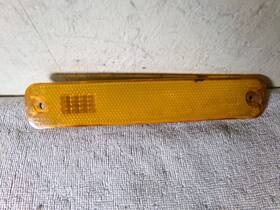
( Manufacturer Part Number: SAEAP73TK ), ( Part Type: Light ), ( Features: Sae-certified ), ( Lens Color: Amber ), ( Universal Fitment: No ), ( Finish: Smooth ), ( Country Of Origin: United States )
Review FORD Pickup Amber Marker Light Oem fits BRONCO 1973-79–1978-79
The **Ford SAEAP73TK Amber Marker Light** is a meticulously crafted, high-quality replacement part designed to restore the original functionality and aesthetic of your 1973 1979 Ford Bronco, particularly those models from the 1978 1979 production years. This amber marker light is engineered to meet or exceed OEM specifications, ensuring a precise fit and reliable performance that matches the vehicle s factory standards. Constructed from durable, high-impact plastic, it is built to withstand the rigors of off-road adventures while maintaining a sleek, vintage appearance that complements the Bronco s rugged charm. The light features a clear, amber-tinted lens that provides optimal visibility during low-light conditions, enhancing safety without compromising the vehicle s classic look. Whether you re navigating through dense forests, traversing rocky terrain, or simply cruising along backroads, this marker light ensures your Bronco remains visible and compliant with road safety regulations. Its easy installation process requiring minimal tools and no modifications makes it an ideal choice for both seasoned mechanics and DIY enthusiasts. By upgrading to this genuine replacement, you not only preserve the authenticity of your Bronco s original design but also enjoy the peace of mind that comes with knowing your vehicle is equipped with a dependable, long-lasting component. Perfect for restorers, collectors, and everyday drivers who appreciate the perfect blend of form and function, the **Ford SAEAP73TK Amber Marker Light** is a must-have accessory for any Bronco owner seeking both performance and heritage.
### Pros and Cons of Buying a 1973 1979 Ford Bronco (SAE P73TK, Amber Marker Light)
#### **Pros**
1. **Classic Design and Vintage Appeal** The Bronco s rugged, utilitarian aesthetic remains highly desirable among collectors and enthusiasts. Its boxy, no-frills styling is nostalgic and stands out in a market dominated by modern vehicles.
2. **Proven Reliability (When Maintained Properly)** Early Broncos, especially the 1973 1979 models, were built with durable components. With proper upkeep, the engine (commonly the 300 cubic inch inline-six or 351 cubic inch V8), transmission, and drivetrain can last decades.
3. **Off-Road Capability** The Bronco was designed for adventure, featuring a high ground clearance, solid axles, and a simple, robust suspension. Many models came with optional features like the "Bronco Package" (heavy-duty suspension, winch, and skid plates), making them capable of light off-roading.
4. **Modification Potential** The Bronco s platform is well-documented, with a thriving aftermarket supporting everything from engine swaps (big-block Chevy, turbo diesel) to modern suspension upgrades. Customization options are nearly limitless.
5. **Lower Operating Costs (Compared to Modern Trucks)** Gas mileage is poor by today s standards, but parts are inexpensive, and labor costs for basic repairs are often lower than for newer vehicles. Insurance and registration fees are typically modest.
6. **Community and Support** The Bronco community is passionate and resourceful. Forums, clubs (like the *Bronco Club of America*), and local meetups provide access to knowledge, parts, and restoration advice.
7. **Potential for Appreciation** Well-preserved or restored Broncos, especially rare variants (like the 1978 1979 models with the amber marker light), can appreciate in value over time, particularly if demand for classics continues to grow.
8. **Simplicity and Durability** Unlike modern vehicles with complex electronics, early Broncos rely on mechanical systems that, while less efficient, are often easier to diagnose and repair without advanced tools.
---
#### **Cons**
1. **High Maintenance Requirements** Rust is a major concern, especially in the frame, suspension, and undercarriage. Many Broncos require frequent rust repairs, especially if they ve been exposed to harsh weather. Neglect can lead to costly structural issues.
2. **Poor Fuel Economy** The V8 models (common in 1978 1979) get around 10 12 MPG, while the inline-six might manage 12 15 MPG. High fuel consumption adds up over time, especially for daily driving.
3. **Outdated Safety Features** Modern safety standards (airbags, stability control, crumple zones) are absent. The Bronco s safety record is poor by today s benchmarks, and insurance may be more expensive due to liability risks.
4. **Comfort and Modern Conveniences** The ride is firm, noise levels are high, and interior features (heating, power windows, modern infotainment) are either nonexistent or rudimentary. Long drives can be uncomfortable.
5. **Parts Availability and Lead Times** While parts exist, some components (especially for rare models) may require special ordering. Rebuilding an engine or transmission can be time-consuming and expensive if original parts are unavailable.
6. **Resale Value Depends on Condition** A well-documented, restored Bronco may hold value, but a neglected one can depreciate quickly. Buyers often expect proof of maintenance history.
7. **Driving Experience** The steering is heavy, visibility can be limited (especially in the original "short-bed" models), and the lack of power steering or modern suspension tuning makes the Bronco less nimble on pavement.
8. **Environmental and Emissions Concerns** Older vehicles don t meet modern emissions standards, which could limit where you can drive them in some areas. Smog checks and registration may be more difficult in certain states.
9. **Cost of Restoration** If the Bronco is in poor condition, restoring it to running order can be expensive. Frame rust, transmission issues, and electrical problems are common pitfalls for inexperienced buyers.
10. **Limited Practicality for Daily Use** While great for weekends and off-roading, the Bronco s lack of modern amenities (like a backup camera, modern infotainment, or reliable AC) makes it less ideal for daily commuting.
---
### **Conclusion**
Buying a 1973 1979 Ford Bronco (especially the 1978 1979 model with the amber marker light) is a decision that balances nostalgia, mechanical charm, and practicality. The vehicle is a fantastic choice if you:
- Value classic design and off-road capability.
- Are prepared for maintenance and restoration work.
- Enjoy the process of customization and community engagement.
- Plan to use it primarily for weekends, towing, or as a project vehicle.
However, it is **not** the right choice if you:- Need a reliable, low-maintenance daily driver.
- Prioritize modern safety, comfort, or fuel efficiency.
- Lack mechanical skills or financial resources for repairs.
- Want a vehicle that meets contemporary emissions or insurance standards without modification.
---
### **Recommendation**
If you re considering this Bronco, follow these steps to maximize your chances of a successful purchase:1. **Inspect Thoroughly** Look for rust in critical areas (frame rails, suspension mounts, fuel tank). Check the engine, transmission, and drivetrain for leaks or unusual noises. A pre-purchase inspection by a mechanic familiar with Broncos is highly advisable.
2. **Verify Maintenance History** Ask for documentation of past work, especially rust repairs, engine rebuilds, or transmission services. A well-documented Bronco is far more valuable.
3. **Test Drive Off-Road** If possible, take it on a trail to assess suspension, drivetrain, and handling. Listen for unusual noises and test the brakes, steering, and electrical systems.
4. **Budget for Restoration** If the Bronco needs work, factor in costs for:- Frame rust repairs or replacement.
- Engine/transmission overhaul (if needed).
- Suspension and drivetrain upgrades.
- Electrical system updates (modern wiring, lights, etc.).
- Interior refinishing or replacement.
5. **Join the Bronco Community** Engage with forums (e.g., *BroncoBum.com*, *Ford Bronco Forum*) to ask questions, seek advice, and learn about common issues specific to your model year.
6. **Consider a "Project Bronco" vs. a "Ready-to-Run"**
- A **project Bronco** (cheaper, needs work) can be rewarding but requires time and money.
- A **restored or well-maintained Bronco** (more expensive) offers immediate enjoyment but may not appreciate as much in value.
7. **Prioritize the 1978 1979 Amber Marker Light Model** This variant is rarer and may hold more collector interest. If you re targeting this specific model, be prepared to pay a premium for authenticity (e.g., original amber marker lights, correct badging).
8. **Alternative Options**
- If you love the Bronco s look but want modern reliability, consider a **restomod** (restored with modern components) or a **modern off-road truck** (like a Jeep Wrangler or Toyota Tacoma) with Bronco-style modifications.
- For a more affordable entry point, look for a **1975 1977 Bronco**, which may have fewer rust issues than later models.
---
### **Final Verdict**
The 1973 1979 Ford Bronco is a **fantastic investment for enthusiasts** who appreciate its heritage, off-road capability, and modding potential but it is **not a practical daily driver** for most people. If you re passionate about restoring or maintaining classic vehicles and can afford the time and money, it s a rewarding purchase. For everyone else, a modern off-road truck or a well-preserved classic might be a more balanced choice. Always buy with your eyes wide open, and never underestimate the cost of rust.
Details:
Offered for your consideration is a front side marker light to fit 1973 through 1979 Ford pickup trucks, also fits 1978-79 full size Broncos. Nice condition, no cracks, scratches, etc.
part #: saeap73tk price
- $19.95
specifications sidemarkeligh:
- for models: Bronco
- for makes: Ford
- for years: 1973-79-1978-79
- mpn: Saeap73tk
- part type: Light
- features: Sae-certified
- lens color: Amber
- universal fitment: No
- finish: Smooth
- country of origin: United States
returns sidemarkeligh:
- paid by: Seller
- time: 30 Days
- policy: Returns Accepted
offer sidemarkeligh:
- sold: 0
- options: Ship-to-home
- availability: In Stock
- quantity: 1
- started: March 20, 2026
shipping sidemarkeligh:
- type: Calculated
- service: USPS Ground Advantage
- class: Standard
- transit: 4-8 Days
- cost: $8.65
- carrier: USPS
payments sidemarkeligh:
- credit card: Mastercard
- other
- wallet: Paypal
seller sidemarkeligh:
- city: Memphis, New York
- rating: 100.0%
- # reviews: 521
general sidemarkeligh:
- Car Truck Parts Accessories > Lighting Lamps > Side Marker Light Assemblies
- condition: Used
Ford SAEAP73TK Is Similar To:
- D1zz-15201-fl-fr Daniel Carpenter Ford Mustang Front Side Marker Lenses Pair Lh (29.9% similar) Pair of brand new front side marker light lenses, with ford logo, and marking as original. These side marker light lenses are for your ford mustang. Ships to lower 48 states only...(March 12th, 2018)
- 111-12 Griffin Nos Clearance Marker Lamp Red Volt Chevrolet Ford (29% similar) What you see is exactly will receive. The lens is plastic. New griffin clearance marker lamp. Please look this over before purchasing. It does not have any hardware to hold down the other clamp...(September 5th, 2018)
- 125474747 Ford Thunderbird Fender Side Marker Lamp Assemblie (33.1% similar) This offer is for a park light bird. Item is OK a few light spots free shipping...(April 4th, 2018)
- 16e-a3 Ford Front Fender Side Marker (35% similar) Rear brake proportioning valve brakes, braking, assembly, Assam, Assam end cap guard, reinforcement, bumper valance, cab clip carburetor pillar clock clutch master cylinder complete vehicles for sale console cowl vent panel crank cam angle sensor crankshaft cruise speed regulator block head dash ...(March 12th, 2017)
- 16e-a4 Ford Rear Body Side Marker (38% similar) Rear body side marker trim molding mustang ii 2/1 6E-A4...(March 10th, 2017)
- 18-1277 Tyc Fomoco Ford Truck New Right Front Side Marker Light (41.5% similar) The box shows shelf wear but light looks fine. The package label reads that it is for 1986 ford truck bronco model's. This is a new right passengers side front marker lamp in its original factory package. It is Tc part number buyer to pay...(December 3rd, 2018)
- Side 1909-1910 Light Cowl T Ford Lamp Model Original Brass (25.6% similar) It is complete except for the door latch pin. This great old e j kerosene cowl or side lamp is fresh from the garage after decades of storage. The three tiered chimney parts have quite a few stress cracks as does the ring around the round lens two cracks. Please examine the pictures carefully for ...(May 22nd, 2015)
- Light Ford Front Chrome Marker 1957-1958 Ring Truck (32.2% similar) The rear tail light housing is the same as the front park light housing. The chrome is in fair condition. The only difference is the length of the wire loom. This bezel would be a good candidate for chrome plating. Chrome loss and some rust. This is a ford truck park light bezel. I also have there...(April 29th, 2015)
- F-100 1957-1960 Ford Front Marker Light Lenses (40.7% similar) There are no cracks or flaws. These marker lenses are in great shape. These are aftermarket and don't have the year or part number on them...(October 12th, 2015)
- Park Chrome Bezel 1970s 1960s Light Chevy Late Mopar Early Ford (26.2% similar) One late 60S early 70S Chevy park light with bezel. Good condition. Not sure which Chevy it is for you be the judge. Guide 1a sae I pa p1 on bezel is LHS...(March 25th, 2015)
- 1965-1966 Parking Mustang Amber Pair Gaskets The Usa Ford Lens (29.5% similar) ...(March 17th, 2015)